Sheila Sondik is a printmaker, painter and poet from the State of Washington in the USA. Her collection of poems, Lighting Up the Duff, was published by The Poetry Box in 2024.

Sheila writes with wonderful rhythm and expression. There are so many engaging turns of phrase in her poetry. Here are the opening lines from Sheila’s poem The Understory:
That red fungus cup over there
on the wet black fallen twig is
lighting up the duff telling us something
about whimsy making us feel almost hopeful
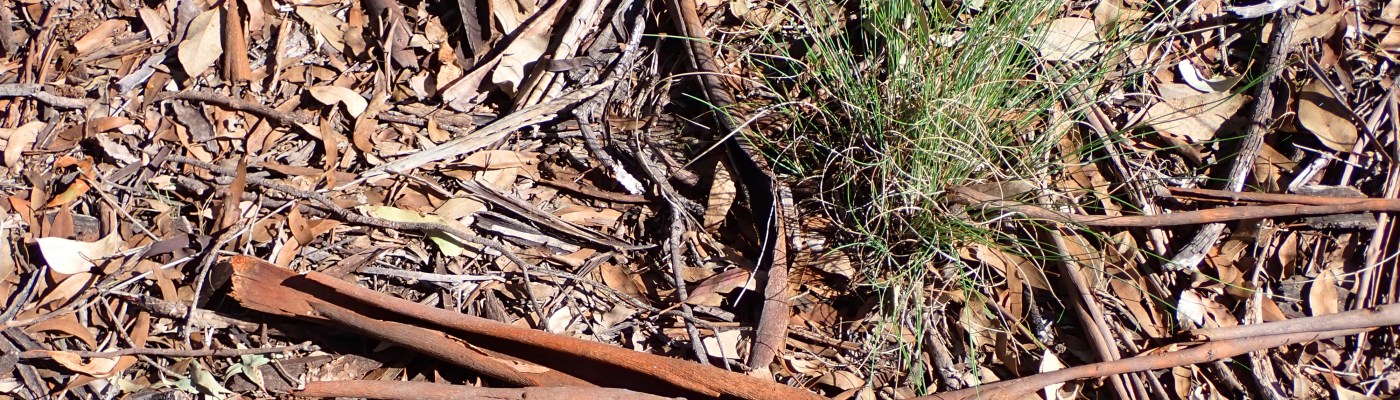
The ‘duff’ is a North American (and Scottish) expression for decaying matter found on the ground under trees. As Sheila says, the duff is full of life including insects and other arthropods, mosses, lichens, numerous varieties of mushrooms and other fungi. Lighting up the duff is about illuminating the small things we often overlook in life.
Lines from Sheila’s poems often tell us ‘something about whimsy‘ and make us ‘feel almost hopeful‘. For example, these openings from two of her other poems each set us on a whimsical path:
Ignore the cud-chewers at the gate,
and,
I will write my biography in recipes
While these closing words from the poem, In Ancient September, leave us almost hopeful:
. . . . . until a gull guides the
girl to the evening’s beckoning gate
But there’s more to these poems than Sheila’s skill with language and phrasing. Each poem is written in the form of a ‘golden shovel’ which is a poetic form devised by American poet, Terrance Hayes. Each golden shovel poem is written as a tribute to the work of another poet.
As you can see from this link, a golden shovel takes one or more lines from an existing poem and uses those words as the end words for each line in the new poem.
For example, the following poem by Sheila is inspired by Maxine Kumin’s poem, Address to the Angels:
The Rat Race
Hiding, as usual, I can only guess who
belongs to the voice saying she knows
exactly what she wants and how
to achieve it. I don’t much
credit confidence, ambition, or
hubris anymore. I have little
doubt that the best job for anyone
is to offer comfort when someone suffers.
The Rat Race is a great poem in its own right, but it takes on an additional dimension when we understand the way it builds upon Maxine Kumin’s original line ‘who knows how much or little anyone suffers‘.
Kumin wrote the poem after her friend, the poet Anne Sexton, committed suicide. Kumin’s poem asks whether angels exist to provide comfort for the dying or, indeed, comfort for the bereaved. In response, Sheila’s poem stresses how important it is for us to fill the role of angel when someone is in need.
Sheila’s poem, Windbreak, pays homage to the poem, Zephyr, by Linda Pastan which contemplates ‘The three slender poplar trees outside my window, almost joined‘.
Windbreak
Growing in our yard on Burnham St the
lilac bush the weeping willow three
rosebushes and at the far end slender
exemplars of the familiar poplar.
A baker’s dozen tall swaying trees
marking the border dividing the outside
world from our modest domain. My
room’s lavender walls its one window
drawing in voices from the street almost
as if my life and theirs were joined.
Lighting Up the Duff offers so much. It engages the reader on multiple levels. Most certainly, the poems take us into the natural world where they capture the human experience of oceans, beaches, rivers, forests and gardens. These journeys remind us that a simple walk in nature can be uplifting; will perhaps help us to make sense of our own lives or inspire us to make the world a better place.
At the same time, the poems take us on a journey through time: from childhood to adulthood and on ‘past midlife’. Finally, of course, Sheila’s poems take us on a series of literary journeys where each of her poems intersects with a poem, and poet, that Sheila admires.
You can read more about Sheila Sondik at her personal website here. If you would like to purchase a copy of Lighting Up the Duff, please visit The Poetry Box here.
 Gregory Piko